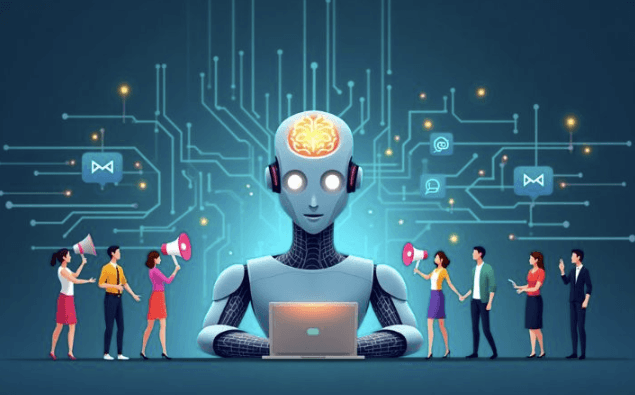
AI-powered marketing strategies convert streams of data into precise, personalized actions. Brands align goals with measurable outcomes, governed by ethics and transparency. Segment insights fuel targeted activation while scalable analytics track real-time performance. Creatives are refined through adaptive testing and channel-aware timing. Practical playbooks translate insight into repeatable routines, balancing innovation with consent and fairness. The result is a customer-centric framework that promises sustained value across channels, inviting further exploration of how these elements interlock.
How AI Transforms Marketing: From Data to Personalization
AI empowers marketing teams to convert vast data streams into strategic actions, shifting from broad messaging to personalized customer experiences. From structured analytics to adaptive campaigns, AI aligns objectives with measurable outcomes, while maintaining accountability. Data governance ensures reliable inputs and transparent processes; ethics implications guide responsible use, safeguarding privacy, consent, and fairness. This approach supports strategic autonomy and customer-centric value creation.
Segment Smarter: AI-Driven Audience Insights and Activation
The shift from broad messaging to targeted engagement hinges on translating rich data streams into precise audience segments and activation signals. Through scalable analytics, organizations enable audience segmentation that informs timely, relevant outreach. Insight activation translates patterns into actionable tactics, aligning value with consumer intent. This approach preserves autonomy, empowers strategic decisions, and sustains a customer-centric framework across channels.
Optimize Creatives With AI: Testing, Timing, and Channel Alignment
Optimization of creative assets hinges on AI-guided testing, precise timing, and deliberate channel alignment.
The approach quantifies testing cadence, validating creative variants and their impact across audiences.
Strategic allocation emerges from real-time performance data, enabling channel optimization that respects customer needs and preferences.
Decisions prioritize clarity, relevance, and freedom to adapt, ensuring scalable, measurable creative improvements without sacrificing user-centric objectives.
Practical Playbooks: Real-World AI Marketing Frameworks and Measurements
Practical playbooks translate AI-powered insights into actionable, real-world marketing routines by outlining repeatable frameworks, measurement schemes, and governance practices. They translate data into disciplined campaigns, enabling scalable experimentation, transparent performance dashboards, and accountable ownership. The approach foregrounds data ethics and revenue forecasting, balancing innovation with governance, while empowering teams to pursue customer-centric outcomes, informed by precise metrics and adaptable playbooks.
Frequently Asked Questions
How Does AI Address Privacy Concerns in Marketing Campaigns?
AI leverages privacy safeguards and data minimization to address concerns, ensuring ethical use and transparency; campaigns emphasize brand authenticity and customer-centric practices, delivering compliant, data-driven insights while empowering freedom-minded audiences to trust and engage responsibly.
What Are Common Pitfalls When Selecting AI Marketing Vendors?
Seasoned seekers should scrutinize vendor evaluation rigorously; skimming setups risks systemic snags. Thorough vendor due diligence highlights hype versus history, ensuring measurable metrics, security safeguards, scalability, and support, steering strategic, customer-centric choices fueled by data-driven decisions and freedom-friendly frameworks.
Can AI Replace Human Creativity in Brand Storytelling?
AI storytelling cannot fully replace human creativity; it amplifies it. Creative automation assists idea generation and personalization, while humans provide nuance, emotion, and context. The data-driven, customer-centric approach leverages AI as a freedom-enhancing partner.
How Do We Measure Long-Term ROI From AI Marketing?
Long term ROI emerges like a patient river delta, shaped by AI marketing metrics guiding steady channels. It measures lifecycle value, retention, and attribution, aligning strategy with customer-centric goals, while data-driven signals illuminate freedom-seeking growth without blind leaps.
See also: AI-Powered Learning Systems
What Skills Should Teams Hire for Ai-Driven Marketing Success?
Teams should hire data-literate talent with an experimentation mindset to drive AI-driven marketing success. They prioritize data literacy, foster an experimentation mindset, and align strategy with customer-centric insights, delivering data-driven, strategic, freedom-oriented decisions.
Conclusion
AI-powered marketing translates data into precise, customer-centric actions, enabling adaptive campaigns that balance innovation with governance. By turning segment insights into targeted activation and continuously optimizing creatives, organizations achieve measurable outcomes across channels. A real-world example: a retailer uses AI to personalize emails, predict optimal send times, and adjust creative variants in real time, boosting open rates and conversions while preserving consent and fairness. The result is scalable, transparent growth driven by data-driven strategy and ethical execution.