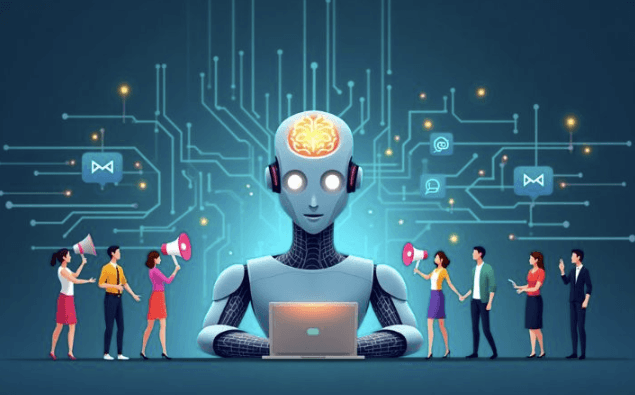
AI-powered learning systems tailor content, pacing, and assessment to individual needs, shaping engagement and outcomes. They monitor performance, flag gaps, and provide adaptive feedback, aiming for real-time alignment with goals. Yet governance safeguards, data privacy, and transparent evaluation remain critical to reliability and legitimacy. The balance between innovation and oversight will determine learner autonomy and institutional fiduciary responsibility. The discussion ends with a necessary question: how will policy and practice keep pace with rapid adaptation, ensuring accountability without stifling progress?
What AI-Powered Learning Systems Do for Students
AI-powered learning systems influence students by personalizing content, pacing, and assessment to align with individual needs and progress. They shape engagement, monitor performance, and flag gaps for intervention.
Critics warn of privacy concerns and the need for robust data governance; advocates urge transparent criteria and accountability. Governance frameworks must balance innovation with safeguards, ensuring equitable access and meaningful student autonomy.
How These Systems Personalize Learning in Real Time
The real-time personalization of learning systems builds directly on their ability to tailor content, pacing, and assessment to individual trajectories, extending these capabilities into moment-to-moment adjustments.
This approach hinges on personalization timing and adaptive feedback, enabling responsive challenges and remediation.
Critics warn of overreach, bias, and opacity, urging transparent governance, rigorous evaluation, and safeguards to preserve learner autonomy and freedom.
Evaluating AI Learning Platforms: Features That Matter
Evaluating AI learning platforms requires a clear set of criteria that balances pedagogical effectiveness, reliability, and governance. The assessment emphasizes adaptive analytics, transparency, and verifiable outcomes, not hubristic claims.
Selecting systems demands scrutiny of data privacy safeguards, access controls, and accountability mechanisms.
Critics urge modular interoperability, clear SLAs, and auditable governance to sustain learner autonomy and public trust.
Continuous, independent evaluation remains essential.
Challenges, Ethics, and Best Practices for Implementation
How can institutions navigate the tensions between rapid deployment of AI-based learning systems and the foundational needs for oversight, equity, and accountability? The discussion analyzes governance frameworks, safeguards, and stakeholder engagement to ensure ethical alignment. It highlights privacy concerns, data governance, and transparency as core levers, while critiquing performance-only metrics and proposing principled, adaptable implementation that respects learner autonomy and institutional fiduciary responsibilities.
Frequently Asked Questions
How Do AI Systems Handle Data Privacy for Minors?
AI systems protect minors via privacy safeguards, consent management, data retention limits, and encryption; they require verifiable parental assent, minimum data collection, robust access controls, auditable policies, and ongoing risk assessments to respect autonomy and mitigate harm.
What Costs Are Involved in Deploying AI Learning Platforms?
The costs include a cost breakdown and ongoing maintenance, while vendor selection impacts scalability and compliance; ironically, organizations praise flexibility yet bear budgeting burdens, evaluating licensing, integration, security, training, and governance within a rigorous, policy-focused framework for freedom-minded stakeholders.
Can AI Replace Teachers or Instructors Entirely?
AI cannot fully replace teachers; AI pedagogy supports nuanced instruction while teachers provide context, ethics, and mentorship. Emphasizing teacher augmentation, policy safeguards ensure equitable access, professional development, and accountable deployment amid autonomous learning environments and freedom-minded educational aims.
How Is Student Data Securely Stored and Deleted?
Data privacy skeptics doubt safeguards, yet student data is safeguarded via data encryption and strict access controls. Secure deletion is policy-mound: data is purged according to retention schedules, verified, and audited to prevent residual access or recovery.
See also: obvtech
What Evidence Supports Long-Term Learning Gains With AI?
Evidence exists for mixed, limited long-term retention benefits; however, evidence gaps persist due to heterogeneous study designs, short follow-ups, and variable control conditions, necessitating rigorous, policy-relevant scrutiny before broad claims about sustained learning gains.
Conclusion
AI-powered learning systems offer transformative potential while demanding rigorous governance. They enable real-time adaptation, measurement of gaps, and scalable personalization, yet raise questions about data privacy, transparency, and learner autonomy. Effective deployment hinges on principled data governance, independent oversight, and stakeholder engagement, ensuring accountability without overreach. Institutions must balance innovation with fiduciary responsibilities, safeguarding equity and access. In navigating these tensions, the approach should be as clear as day, laying a solid foundation for responsible, ethically sound education. accountability remains the watchword.