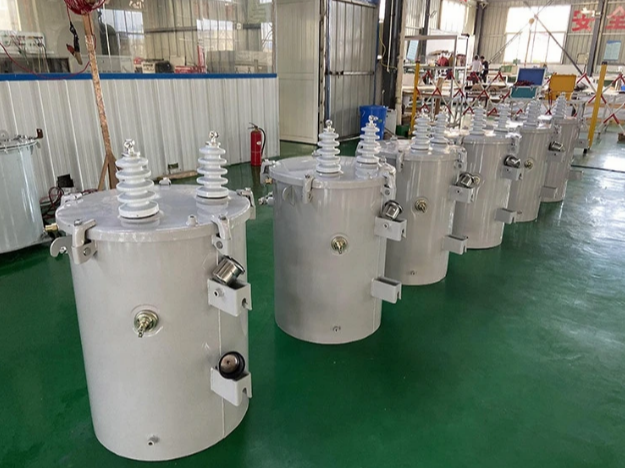
A 15 kva single phase transformer is one of the most widely used transformers in residential, commercial, agricultural, and light industrial electrical systems. Designed to efficiently convert electrical voltage from one level to another, these transformers play a crucial role in ensuring the safe and reliable operation of electrical equipment and power distribution networks.
With a power rating of 15 kilovolt-amperes (kVA), this type of transformer is suitable for a variety of applications where moderate power capacity is required. Whether used for voltage step-down, voltage step-up, equipment isolation, or power distribution, a 15 kva single phase transformer provides dependable performance and long service life when properly selected and maintained.
As demand for stable and efficient electrical power continues to increase, understanding the features, applications, and benefits of a 15 kva single phase transformer becomes essential for engineers, contractors, facility managers, and business owners. This comprehensive guide covers everything you need to know about these transformers, including their working principles, construction, applications, installation requirements, maintenance practices, and future trends.
What Is a 15 kva Single Phase Transformer?
A 15 kva single phase transformer is an electrical device designed to transfer electrical energy between circuits through electromagnetic induction while operating on a single-phase power system. The transformer is rated at 15 kVA, meaning it can safely handle a maximum apparent power load of 15 kilovolt-amperes.
Single-phase transformers are commonly used where electrical loads are relatively small compared to large industrial systems that typically require three-phase power.
Key characteristics of a 15 kva single phase transformer include:
- 15 kVA power capacity
- Single-phase operation
- Voltage transformation capability
- High efficiency
- Reliable electrical isolation
- Long operational lifespan
These features make it suitable for a wide range of power distribution applications.
Understanding the 15 kVA Rating
Before selecting a transformer, it is important to understand what the 15 kVA rating represents.
The kVA rating indicates the apparent power capacity that the transformer can safely deliver under normal operating conditions. Apparent power combines both real power and reactive power within an electrical system.
For a 15 kva single phase transformer:
- Maximum apparent power = 15 kVA
- Equivalent to 15,000 volt-amperes
- Supports moderate electrical loads
- Suitable for residential and commercial applications
- Designed for continuous operation within rated capacity
Proper load calculations help ensure optimal transformer performance and lifespan.
How a 15 kva Single Phase Transformer Works
The operation of a transformer is based on the principle of electromagnetic induction. This process allows electrical energy to be transferred between circuits without direct electrical contact.
When alternating current flows through the primary winding, it creates a magnetic field within the transformer core. This magnetic field induces voltage in the secondary winding, allowing power to be delivered at a different voltage level.
The operating process includes:
- Receiving incoming electrical voltage
- Generating magnetic flux in the core
- Inducing voltage in the secondary winding
- Delivering transformed voltage to connected loads
- Maintaining efficient energy transfer
This process occurs continuously with very high efficiency.
Main Components of a 15 kva Single Phase Transformer
A 15 kva single phase transformer consists of several important components that contribute to its performance and reliability.
Each component plays a specific role in voltage transformation and system protection.
The primary components include:
Transformer Core
The magnetic core provides a low-resistance path for magnetic flux and supports efficient energy transfer.
Primary Winding
The primary winding receives electrical energy from the power source.
Secondary Winding
The secondary winding delivers transformed voltage to connected equipment.
Insulation System
Insulation materials separate energized components and prevent electrical leakage.
Tank or Enclosure
The enclosure protects internal components from environmental conditions and physical damage.
Cooling Medium
Depending on the design, transformers may use air or insulating oil for cooling.
Types of 15 kva Single Phase Transformers
Different applications require different transformer designs. Manufacturers offer several variations of 15 kva single phase transformers.
Understanding these options helps users choose the right transformer for their needs.
Common types include:
Step-Down Transformers
Step-down transformers reduce voltage from a higher level to a lower level.
Applications include:
- Residential power distribution
- Commercial buildings
- Agricultural facilities
- Small industrial operations
Step-Up Transformers
Step-up transformers increase voltage from a lower level to a higher level.
Isolation Transformers
Isolation transformers provide electrical separation between circuits for safety and noise reduction.
Dry-Type Transformers
These transformers use air cooling and do not contain insulating oil.
Oil-Filled Transformers
Oil-filled transformers use dielectric oil for insulation and cooling.
Applications of a 15 kva Single Phase Transformer
The versatility of a 15 kva single phase transformer makes it suitable for a wide variety of applications.
Its moderate capacity allows it to serve both residential and commercial electrical systems effectively.
Common applications include:
- Residential developments
- Agricultural operations
- Irrigation systems
- Small commercial buildings
- Workshops
- Schools
- Medical clinics
- Retail stores
- Lighting systems
- Backup power installations
These applications depend on reliable voltage conversion and power distribution.
Benefits of Using a 15 kva Single Phase Transformer
Many organizations and property owners choose a 15 kva single phase transformer because of its practical advantages.
These benefits contribute to reliable operation and cost-effective power management.
Major advantages include:
Reliable Voltage Conversion
The transformer ensures stable voltage levels for connected equipment.
High Efficiency
Modern transformers operate with minimal energy losses.
Compact Design
The relatively small size simplifies installation and maintenance.
Long Service Life
Quality transformers can operate reliably for decades.
Cost-Effective Solution
A 15 kVA unit provides sufficient capacity for many applications without excessive investment.
Improved Equipment Protection
Voltage regulation helps protect sensitive electrical equipment.
Electrical Specifications and Ratings
Understanding transformer specifications is essential when selecting equipment.
Properly matched ratings help ensure safe and reliable operation.
Important specifications include:
- kVA rating
- Primary voltage
- Secondary voltage
- Frequency
- Insulation class
- Cooling type
- Impedance rating
- Temperature rise rating
These parameters should align with system requirements.
How to Select the Right 15 kva Single Phase Transformer
Selecting the right transformer involves evaluating electrical demands and operating conditions.
A careful selection process helps maximize performance and return on investment.
Important considerations include:
Load Requirements
Calculate the expected electrical load accurately before selecting a transformer.
Voltage Requirements
Verify both primary and secondary voltage ratings.
Environmental Conditions
Temperature, humidity, and contamination levels can affect transformer performance.
Installation Location
Indoor and outdoor installations may require different transformer designs.
Future Expansion
Consider potential load growth when sizing the transformer.
Installation Requirements
Proper installation is essential for ensuring transformer reliability and safety.
Following manufacturer recommendations helps prevent operational issues.
Important installation considerations include:
- Adequate ventilation
- Proper grounding
- Structural support
- Safe electrical connections
- Environmental protection
- Compliance with local electrical codes
- Accessibility for maintenance
Professional installation is highly recommended.
Safety Features of Modern 15 kva Single Phase Transformers
Safety is a critical aspect of transformer design.
Modern transformers incorporate various protective features to reduce risks and improve reliability.
Common safety features include:
Thermal Protection
Temperature monitoring helps prevent overheating.
Short-Circuit Protection
Protective devices reduce the risk of damage during fault conditions.
Insulation Systems
High-quality insulation improves safety and reliability.
Grounding Provisions
Proper grounding supports safe operation.
Protective Enclosures
Enclosures protect internal components and personnel.
These features help ensure safe and dependable operation.
Maintenance of a 15 kva Single Phase Transformer
Routine maintenance helps maximize transformer lifespan and reduce the risk of unexpected failures.
A preventive maintenance program supports long-term reliability.
Typical maintenance activities include:
Visual Inspections
Inspect for leaks, corrosion, or physical damage.
Electrical Testing
Verify insulation integrity and transformer performance.
Connection Checks
Loose connections can create excessive heat and reduce efficiency.
Temperature Monitoring
Monitor operating temperatures regularly.
Cleaning
Keep the transformer and surrounding area free from dust and debris.
Consistent maintenance helps ensure reliable performance.
Common Problems and Troubleshooting
Although highly reliable, transformers may occasionally experience operational issues.
Understanding common problems helps maintenance personnel respond effectively.
Typical issues include:
Overheating
Often caused by excessive loading or inadequate cooling.
Insulation Deterioration
Aging insulation materials may reduce transformer reliability.
Voltage Fluctuations
Improper loading or supply issues can affect voltage stability.
Loose Connections
Poor electrical connections can create resistance and heat.
Moisture Contamination
Moisture can negatively impact insulation performance.
Routine inspections help identify and correct these issues early.
Energy Efficiency and Cost Savings
Energy efficiency is an important consideration in modern electrical systems.
High-efficiency transformers help reduce operating costs and environmental impact.
Efficiency benefits include:
- Lower electricity losses
- Reduced operating expenses
- Improved equipment performance
- Lower heat generation
- Extended service life
Over time, these advantages can generate significant savings.
Industry Standards and Compliance
Transformers must comply with recognized industry standards to ensure safety and performance.
Compliance supports reliable operation and simplifies project approvals.
Common standards include:
- IEEE standards
- IEC standards
- ANSI standards
- NEMA requirements
- Utility specifications
- Local electrical regulations
Adherence to these standards demonstrates quality and reliability.
Future Trends in Single Phase Transformer Technology
Transformer technology continues to evolve to meet changing power system requirements.
Manufacturers are developing innovative solutions that improve efficiency and monitoring capabilities.
Emerging trends include:
- Smart transformer monitoring
- IoT-enabled diagnostics
- Predictive maintenance systems
- Advanced insulation materials
- Enhanced energy efficiency
- Environmentally friendly designs
- Digital asset management
These innovations are helping improve transformer reliability and performance.
Why Businesses and Property Owners Choose 15 kva Single Phase Transformers
A 15 kva single phase transformer offers an excellent balance between capacity, efficiency, and affordability.
Its versatility makes it suitable for numerous applications where moderate electrical power is required.
Organizations choose these transformers because they provide:
- Reliable performance
- Efficient voltage conversion
- Long service life
- Low maintenance requirements
- Cost-effective operation
- Strong safety performance
- Flexible installation options
These benefits make them a popular choice across multiple industries.
Conclusion
A 15 kva single phase transformer is a dependable and versatile solution for electrical power distribution and voltage transformation. With its ability to support residential, agricultural, commercial, and light industrial applications, it remains one of the most widely used transformer sizes in modern electrical systems.
From efficient voltage conversion and equipment protection to long-term reliability and energy savings, these transformers offer numerous advantages for users seeking stable and efficient electrical power. By understanding their operation, applications, maintenance requirements, and selection criteria, organizations can make informed decisions that maximize performance and return on investment.
As electrical infrastructure continues to evolve, the 15 kva single phase transformer will remain an important component in delivering safe, reliable, and efficient power to a wide range of applications.