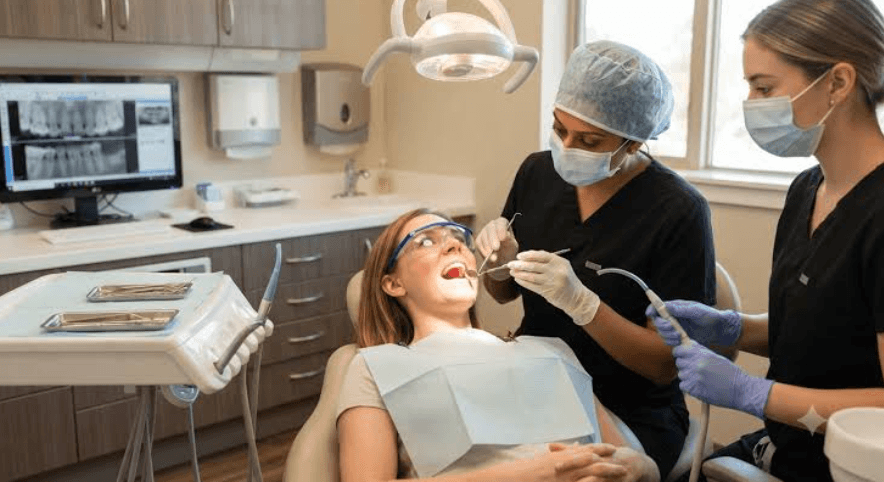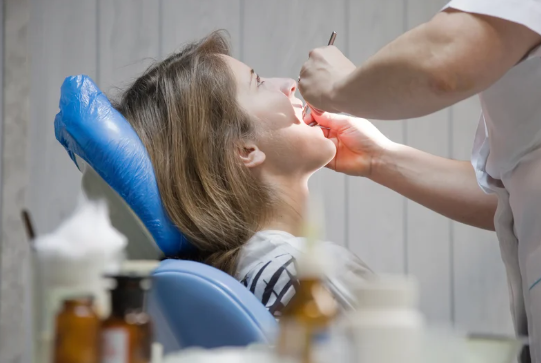
You might be feeling a little torn about the dentist right now. You know you are supposed to go every six months for dental care in Novato, yet life is busy, money is tight, and your teeth do not hurt, so those biannual appointments keep sliding to the bottom of your list. Maybe you missed one visit, then another, and now it feels awkward to go back after so long.
At the same time, there is a quiet worry in the back of your mind. You wonder if small problems are building up without you seeing them. You brush, maybe you floss when you remember, but you are not sure if that is really enough for long-term health.
This is where those regular checkups with a general dentist matter more than most people realize. In simple terms, seeing a general dentist twice a year helps catch problems early, keeps treatment simpler and less expensive, and protects more than just your smile. It supports your overall health, from your heart to your ability to eat, speak, and feel confident in daily life.
So where does that leave you? You do not need to feel guilty or ashamed if you have missed visits. You just need clear information, a realistic plan, and a reason that feels strong enough to move “go to the dentist” from “someday” to “this year.”
Why skipping “just one” visit can quietly snowball into bigger problems
Think about how dental problems usually start. Cavities begin as tiny soft spots in the enamel. Gum disease starts as a little redness or bleeding when you brush. None of this hurts at first, so it is easy to ignore. You feel fine, so you assume you are fine.
Because there is no pain, you may postpone that six-month exam. Then work gets hectic, kids get sick, or other bills feel more urgent. By the time you notice something is wrong, the tiny cavity may have reached the nerve, or early gum irritation may have turned into bone loss around the teeth.
This is the painful part. Small problems that could have been handled in a quick biannual visit with a general dentist often grow into emergencies that need root canals, crowns, or even extractions. That is not just more stress. It is also a much higher cost in both money and time.
So what is really happening during those twice-yearly visits that makes such a difference?
Your general dentist is not only checking for cavities. They are looking for signs of gum disease, worn enamel from grinding, early cracks in teeth, infections, and even suspicious areas that might point to oral cancer. They are also reviewing how your teeth and bite are working together. In many cases, they can spot changes months or years before you would feel anything.
There is also a connection between your mouth and the rest of your body. Research has linked poor oral health and untreated gum disease with higher risks of heart disease and complications in conditions like diabetes. Regular care is not just about a nice smile. It is part of protecting your long-term health.
See also: The Role of Back-Office Operations in Modern Retail Growth
What if you are worried about cost, fear, or embarrassment?
Because of these pressures, you might wonder if skipping routine dental care is really that serious, especially if money is tight or you feel nervous in the chair. This is where the emotional side comes in.
There can be shame around not having seen a dentist in a while. You might worry you will be judged. You may have had a painful or dismissive experience in the past, and the thought of going back brings up anxiety. Or you may have delayed care to save money, then feel stuck when small issues become bigger ones.
Here is the hard truth that is also good news. The longer you avoid care, the higher the chances that treatment becomes more complex and more expensive. Regular exams and cleanings are almost always cheaper and easier than treating advanced disease. The Centers for Disease Control and Prevention has reported that a large share of adults live with untreated cavities, something that could often be reduced with consistent dental care. You can see that context in this CDC data brief on untreated dental caries.
Fear and embarrassment are common, not personal failures. A good general dentist understands that people come in with history, stress, and worries. Many are happy to start gently, explain each step, and work with your pace. Your job is not to show up with perfect teeth. Your job is simply to show up.
How do biannual general dentistry visits compare to “I’ll go only when it hurts”?
To make the choice clearer, it can help to compare two different approaches to dental care. One is consistent checkups every six months. The other is waiting until there is pain or visible damage before seeing a dentist.
| Approach | What usually happens | Typical costs over time | Impact on health and stress |
|---|---|---|---|
| Biannual visits with a general dentist | Small issues are found early. Cleanings remove plaque and tartar. Advice improves home care. | More predictable. Mostly exams, X-rays, and cleanings. Occasional small fillings. | Fewer emergencies. Less pain. Better chewing, fresher breath, and more confidence. |
| “Only when it hurts” approach | Problems are not noticed until they are advanced. Pain or infection is often the first sign. | Fewer visits at first, but higher costs later for root canals, crowns, extractions, or dentures. | More emergency visits. Higher anxiety. Greater risk to overall health and more missed work. |
When you look at it this way, the idea of regular dental checkups for long-term health stops feeling like a suggestion and starts looking like a smart form of insurance. You pay a little now to avoid paying a lot later.
At home, you still play an important role. Brushing twice a day with fluoride toothpaste and cleaning between your teeth are key habits. The American Dental Association has practical tips on daily home oral care and brushing technique, which can help you protect the work done in the office.
Three simple steps to get back on track with routine dental care
You do not have to overhaul your life to protect your teeth and your health. You just need a few steady steps.
1. Schedule your next checkup, even if you feel overdue
Pick a general dentist you feel you can talk to. When you call, be honest. Say you have not been in a while and you want a fresh start. A caring office will hear that and meet you where you are. Ask for a full exam, X-rays if needed, and a cleaning. That one appointment will give you a clear picture of what is going on and what, if anything, needs attention.
2. Commit to a simple daily routine you can actually keep
You do not need a counter full of fancy products. Focus on what works. Brush twice a day with fluoride toothpaste for at least two minutes. Clean between your teeth once a day with floss or another tool you find easier to use. If you are not sure you are brushing well, ask your dentist or hygienist to show you. Many people are surprised by how a small change in technique can reduce bleeding and sensitivity. This supports your regular general dentistry care and makes each visit easier.
3. Turn biannual visits into a standing part of your calendar
Before you leave the office, schedule your next six-month visit. Put it in your phone with a reminder a week before and a day before. Treat it like you would a work meeting or a child’s school event. Over time, this turns “going to the dentist” from a stressful decision into a routine habit. Those habits are what protect your smile and your long-term health year after year.
Moving from worry to a long-term plan for your smile
If you have been putting off dental care, you are not alone, and you are not stuck. You can decide that your next step is to schedule a visit and ask for a clear, honest conversation about your mouth and your overall health. You can choose to use biannual dental exams as a tool, not a burden.
Your teeth are part of how you eat, speak, laugh, and show up in the world. Taking care of them with regular visits to a general dentist is not about perfection. It is about giving yourself the chance to stay comfortable, avoid preventable pain, and protect your health in a way that fits real life.
You do not have to fix everything overnight. Just choose your next visit, commit to a simple routine at home, and let consistent care work for you over time.