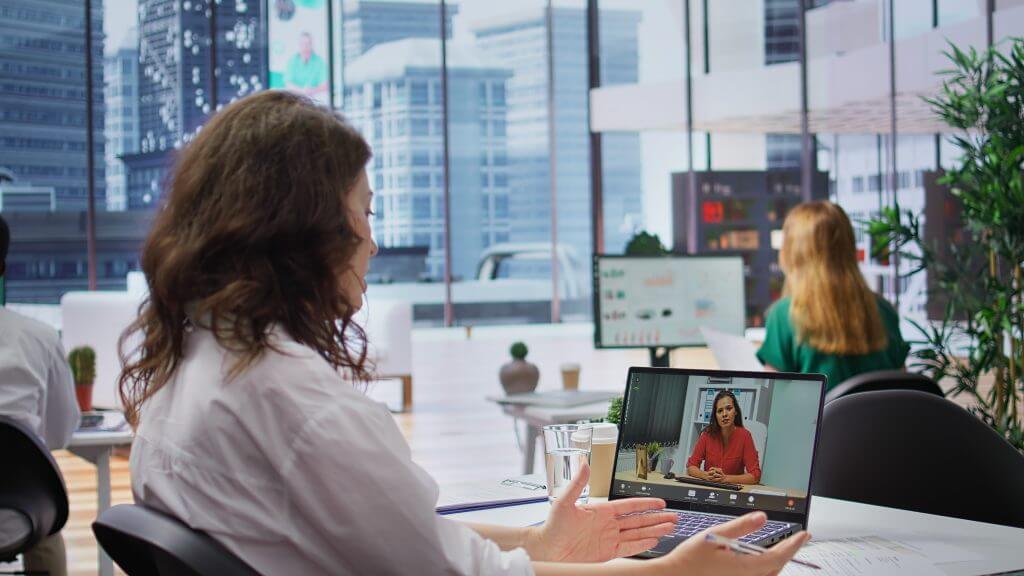
The contemporary workplace has evolved far beyond the emergency remote setups of the early 2020s. In 2026, distributed operations, hybrid schedules, and asynchronous workflows form the absolute bedrock of modern commerce. Managing a dispersed workforce requires a complete paradigm shift: transitioning away from legacy “seat-time” surveillance and physical desk tracking toward an enlightened, outcomes-driven management model. Leaders can no longer rely on physical proximity to measure employee dedication, judge performance, or cultivate company culture. Instead, success demands structured digital documentation, crystal-clear communication protocols, and empathetic leadership.
However, uniting dispersed team members across time zones requires more than just internal alignment; it demands robust external market presence and brand visibility to attract high-caliber talent. When organizations successfully master distributed operations, they build an attractive employer brand. To scale operations efficiently and draw elite remote professionals to your organization, leaders must strategically Advertise your business across digital channels to showcase an exceptional, flexible corporate culture. This comprehensive guide explores the definitive strategies, technical frameworks, and best practices required to successfully manage remote and hybrid teams in 2026.
1. Shifting From Activity Monitoring to Outcome-Based Performance Metrics
One of the most persistent mistakes legacy managers make when transitioning to distributed teams is attempting to replicate office surveillance digitally through keystroke loggers, active status green dots, and constant webcam monitoring.
+———————————————————————————–+
| Legacy Surveillance vs. Outcome-Driven Management |
+———————————————————————————–+
| Activity Tracking| Monitoring online hours, tracking keystrokes, demanding instant replies|
| Outcome Metrics | Evaluating completed deliverables, project impact, and quality goals|
+———————————————————————————–+
High-performing remote teams operate on a results-only philosophy. Instead of evaluating employees on how many hours they sit in front of a screen, modern managers assess performance based on tangible outputs, project impact, and the quality of execution. When expectations are defined through objective key performance indicators (KPIs) and clear delivery deadlines, employees enjoy the autonomy to manage their schedules efficiently, leading to dramatically higher engagement, lower burnout rates, and superior work quality.
2. Establishing Asynchronous Communication Frameworks and Documentation Hubs
Remote teams do not suffer from a lack of communication tools; rather, they frequently suffer from communication fragmentation. Relying on endless live meetings and chaotic chat threads destroys deep focus time and drains morale.
+———————————————————————————–+
| Chaotic Synchronous Chatter vs. Structured Asynchronous Hubs |
+———————————————————————————–+
| Fragmented Chats | Constant interruptions, lost decisions, meeting fatigue |
| Documented Hubs | Single source of truth, structured updates, deep focus blocks |
+———————————————————————————–+
Solving this requires setting rigid rules for communication channels. Define clear expectations for when to use instant messaging for quick queries, project management boards for task updates, and asynchronous documentation hubs (such as Notion or Confluence) for major decisions. By treating written documentation as your company’s single source of truth, you eliminate information silos and ensure team members across multiple time zones can access critical context instantly without waiting for a colleague to wake up.
3. Designing Purposeful On-Site Collaboration for Hybrid Models
In a structured hybrid model, the physical office must undergo a complete transformation. Commuting to an office simply to sit on video calls behind a desk destroys the core value proposition of hybrid flexibility.
+———————————————————————————–+
| Default Office Attendance vs. Purposeful On-Site Design |
+———————————————————————————–+
| Default Attendance| Mandatory desk logging; commuting just for remote zoom meetings|
| Purposeful Hubs | Collaborative workshops, brainstorming sessions, team alignment|
+———————————————————————————–+
Forward-thinking organizations design their physical offices around collaboration, innovation, and human connection rather than mandatory attendance. When teams come into the office, those days should be dedicated to whiteboarding sessions, strategic planning workshops, and interpersonal bonding. Treating office days as intentional collaboration hubs ensures that employees perceive on-site time as a valuable resource rather than an arbitrary administrative burden.
4. Combating Digital Isolation and Protecting Employee Well-Being
While remote work provides immense schedule flexibility, it also introduces significant risks regarding professional isolation, burnout, and the blurring of boundaries between professional and personal life.
+———————————————————————————–+
| Unchecked Burnout vs. Proactive Well-Being Support |
+———————————————————————————–+
| Isolated Grind | Working across irregular hours, hidden stress, digital fatigue |
| Protected Balance| Defined “no-meeting” blocks, mental health days, active check-ins|
+———————————————————————————–+
Remote managers must remain proactive in monitoring team well-being. Because non-verbal cues and physical exhaustion are harder to spot across a screen, leaders should schedule consistent 1-on-1 check-ins focused as much on personal well-being and workload balance as on active projects. Implementing company-wide policies—such as protected “no-meeting” focus blocks, respectful time-zone boundaries, and mental-health days—ensures long-term team sustainability. Furthermore, maintaining a healthy, supportive internal culture makes it significantly easier to Advertise your business employment opportunities to top-tier candidates who value work-life integration.
5. Leveraging Collaborative Technology and Unified Software Stacks
Managing distributed talent requires a reliable, integrated digital tool stack. Using a fragmented array of uncoordinated apps creates administrative friction and data security vulnerabilities.
+———————————————————————————–+
| Fragmented Apps vs. Integrated Digital Tool Stack |
+———————————————————————————–+
| Disconnected Apps| Siloed messaging, scattered file storage, security compliance gaps|
| Unified Stack | Integrated chat, centralized task boards, secure cloud HR systems|
+———————————————————————————–+
Consolidate your digital operations into core category leaders: an enterprise messaging platform for day-to-day coordination, a robust project management tool to track who owns what and by when, a secure video conferencing suite for live decisions, and a centralized wiki for documentation. Ensuring every tool is optimized and securely configured prevents data leakage and gives remote teams a frictionless digital environment to execute their duties.
6. Creating Equitable Growth Pathways for Remote and On-Site Staff
A critical danger in hybrid organizations is the emergence of proximity bias—the unconscious tendency of managers to favor employees who work physically close to them in the office when assigning high-visibility projects or promotions.
+———————————————————————————–+
| Proximity Bias vs. Equal Professional Visibility |
+———————————————————————————–+
| Proximity Bias | Rewarding in-office presence over actual output and leadership |
| Equitable Growth | Standardized performance reviews, transparent skill tracking |
+———————————————————————————–+
To prevent a two-tier corporate culture, leaders must implement objective, skills-based evaluation frameworks that give remote and on-site workers equal visibility. Ensure that professional development resources, mentorship programs, and career advancement paths are documented transparently and made accessible regardless of geographic location. Equal opportunity drives high retention and unlocks global talent pools.
7. Scaling Employer Branding and Attracting Distributed Talent
Operating a remote or hybrid model frees your organization from geographic hiring constraints, allowing you to recruit the absolute best skill sets available globally rather than being limited to local candidates.
+———————————————————————————–+
| Local Hiring Limits vs. Global Talent Acquisition |
+———————————————————————————–+
| Local Restrictions| Limited candidate pools, high regional wage inflation |
| Global Remote | Access to elite worldwide experts, agile scaling capabilities |
+———————————————————————————–+
To win top-tier talent in a competitive market, organizations must actively market their flexible work culture. When you Advertise your business career opportunities, highlight your commitment to asynchronous flexibility, home-office stipends, and outcomes-driven leadership. Showcasing a progressive, human-first operational philosophy ensures your recruitment funnels attract visionary professionals who thrive in modern distributed environments.
See also: 5 Reasons Businesses Switch To Professional Accounting Firms
Frequently Asked Questions (FAQs)
What are the best practices for managing remote and hybrid teams?
Key best practices include focusing on outcome-based performance metrics rather than activity tracking, establishing clear asynchronous communication rules, maintaining comprehensive written documentation, designing physical offices exclusively for purposeful collaboration, and actively preventing proximity bias.
How do you prevent burnout in a remote work environment?
Managers can prevent burnout by setting clear after-hours communication boundaries, establishing protected “no-meeting” focus blocks, monitoring workloads during regular 1-on-1 check-ins, encouraging regular time off, and promoting a healthy work-life integration culture.
Why is remote work management crucial when you advertise a business?
Demonstrating modern, flexible management practices creates an exceptional employer brand. When prospective clients and top-tier talent evaluate your enterprise, a well-managed remote culture signals innovation and efficiency. Furthermore, highlighting your distributed operational excellence makes it significantly easier to Advertise your business career opportunities globally. Maintaining a strong, progressive internal culture also provides the stability required to Advertise your business growth initiatives successfully across international markets without internal bottlenecks.
Conclusion
Managing remote and hybrid teams successfully in 2026 requires abandoning legacy office surveillance in favor of outcome-based performance tracking, disciplined asynchronous documentation, and empathetic leadership. By establishing robust digital tool stacks and eliminating proximity bias, organizations can unlock global talent pools and achieve unprecedented operational agility. Furthermore, coupling modern hybrid management with strategic brand visibility—ensuring you proudly Advertise your business flexible culture—secures a powerful competitive advantage. Implementing these proven distributed leadership strategies today positions your enterprise for sustainable innovation, high employee retention, and enduring commercial success in the modern digital economy.