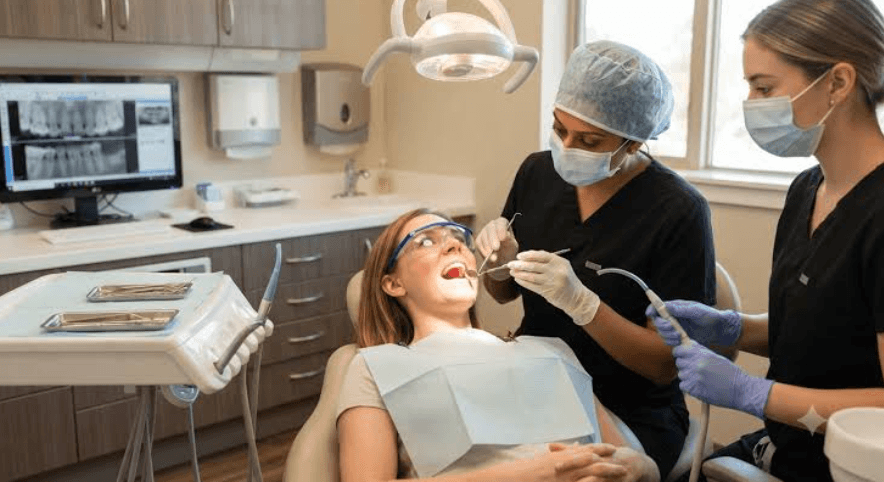
You might be feeling a mix of confusion and worry after hearing that your child has an extra tooth. Maybe it came up during a routine visit, or maybe you noticed a tooth coming in where it did not seem to belong. Either way, it can leave you wondering what this means for your child’s smile, comfort, and long term dental health, and whether you should see an emergency pediatric dentist in West Los Angeles. That concern makes sense. When a child’s teeth are still developing, even one small change can affect a lot.
The short answer is this. An extra tooth, often called a supernumerary tooth, can block other teeth from erupting, crowd the mouth, shift the bite, and in some cases raise the risk of cysts or damage to nearby teeth. According to the medical definition of supernumerary teeth, these are teeth that develop in addition to the normal number. Some children have no pain at all, which can make the issue easy to miss. That is why early evaluation with a pediatric dentist matters.
Why can an extra tooth create problems even if your child feels fine?
This is one of the hardest parts for parents. Your child may not complain, they may eat normally, and they may seem completely comfortable. But dental development is a slow process, and a hidden problem can quietly change how permanent teeth come in. The Hawaii pediatric dental resource explains that extra teeth are often found on X rays because they may interfere with the normal eruption path of permanent teeth.
So, what are the four main concerns?
1. Delayed or blocked eruption. An extra tooth can sit in the path of a permanent tooth and stop it from coming in on time. You may notice one front tooth appears while the matching tooth does not. That delay is not always just a matter of waiting longer. Sometimes the permanent tooth is trapped behind the extra one.
2. Crowding and poor alignment. Children’s mouths have limited space. When an extra tooth takes up room, nearby teeth may twist, overlap, or erupt in the wrong place. This can set the stage for orthodontic problems later.
3. Bite changes. If teeth erupt out of position, the upper and lower teeth may no longer meet the way they should. That can affect chewing, speech, and even wear on the teeth over time.
4. Damage to nearby teeth or surrounding tissue. In some cases, an extra tooth can press against the roots of neighboring teeth, or it may be linked to cyst formation. That is less common, but it is one reason dentists keep a close eye on these cases.
See also: How CPAs Help Businesses Navigate Complex Tax Laws Without Losing Sleep
What can happen if a supernumerary tooth is left alone too long?
You may be tempted to wait and see, especially if your child is not in pain. Sometimes monitoring is appropriate, but waiting without a clear plan can create more stress later. If a permanent tooth stays trapped too long, treatment may become more involved. A child who might have needed a simple extraction and follow up may later need orthodontic care to guide the tooth into place.
Think about a common scenario. A child loses a baby front tooth, but months pass and the adult tooth still does not appear. At first, it seems like a harmless delay. Then an X ray shows an extra tooth sitting above the gumline, blocking the permanent tooth. By then, the tooth may need help erupting even after the extra one is removed.
Because of this, professional guidance matters. The American Academy of Pediatric Dentistry guidance on developing dentition and occlusion supports early diagnosis and timely management when eruption problems or developing bite issues are present.
How do the risks of an extra tooth compare to the benefit of early pediatric dental care?
When you are deciding what to do next, it helps to see the issue in plain terms. Not every extra tooth causes the same level of trouble, but early evaluation usually gives you more options and fewer surprises.
| Concern | If Found Early | If Found Late |
| Blocked permanent tooth | Closer monitoring or simpler treatment plan | Greater chance of delayed eruption and need for added intervention |
| Crowding | Better chance to protect space for incoming teeth | Higher risk of shifting teeth and future orthodontic problems |
| Bite alignment | Changes can be tracked during growth | Misalignment may become harder to correct |
| Damage to nearby structures | Problems may be caught before symptoms appear | More risk of root effects or cyst related concerns going unnoticed |
This is why many parents seek a pediatric dentist when they hear about extra teeth during childhood dental development. The goal is not to rush into treatment. It is to understand what is happening now, what may happen next, and what timing makes sense for your child.
What can you do right now if your child may have an extra tooth?
1. Schedule an evaluation with a pediatric dentist.
A clinical exam and dental imaging can show whether the extra tooth is erupted, impacted, or affecting nearby teeth. This is the fastest way to move from guesswork to a clear plan.
2. Track eruption patterns at home.
If one permanent tooth is delayed while the matching tooth has already erupted, make a note of it. Take a photo every few weeks if your dentist recommends monitoring. Small changes are easier to understand when you can compare them over time.
3. Ask specific questions about timing.
You do not need to know every dental term. Just ask what the extra tooth is doing now, whether it is blocking anything, and what signs would mean treatment should happen sooner. That simple conversation can ease a lot of uncertainty.
So where does that leave you?
If your child has an extra tooth, you are not overreacting by paying attention to it. Many cases are manageable, especially when they are found early. The main issue is not always pain. It is whether that tooth is changing the path of normal growth. 4 Problems An Extra Tooth Can Cause During Dental Development often come down to space, timing, and the way permanent teeth erupt.
A careful visit with a pediatric dentist can give you clarity, peace of mind, and a plan that fits your child’s stage of growth. If you are concerned about a supernumerary tooth problem or delayed eruption, now is a good time to schedule an evaluation and get answers before a small issue becomes a bigger one.