You might be feeling fine, brushing twice a day, maybe flossing when you remember, and still wondering why your trusted dentist in Jefferson City MO keeps bringing up routine cleanings. If nothing hurts, it is easy to put them off. Life gets busy, money has to go elsewhere, and a dental visit can feel like one more thing on a crowded list. Still, small problems in your mouth often grow quietly, which is why regular cleanings matter so much. They help prevent decay and gum disease, they support your overall health, and they often save you from more stressful and expensive treatment later.
That is the heart of it. Professional teeth cleanings are not just about a polished smile. They are one of the simplest ways to protect your teeth, your gums, and your long term comfort. In a practice that offers general, cosmetic, and restorative dentistry, cleanings often serve as the starting point that keeps everything else more manageable.
Why do routine dental cleanings matter when your teeth seem fine?
This is where many people get stuck. If you are not in pain, it can seem reasonable to wait. But plaque does not always announce itself. It builds along the gumline and between teeth, and over time it can harden into tartar, which cannot be removed with brushing alone. According to the CDC’s overview of oral health, oral health is closely linked to overall well being, which means a small dental issue is rarely just a small dental issue.
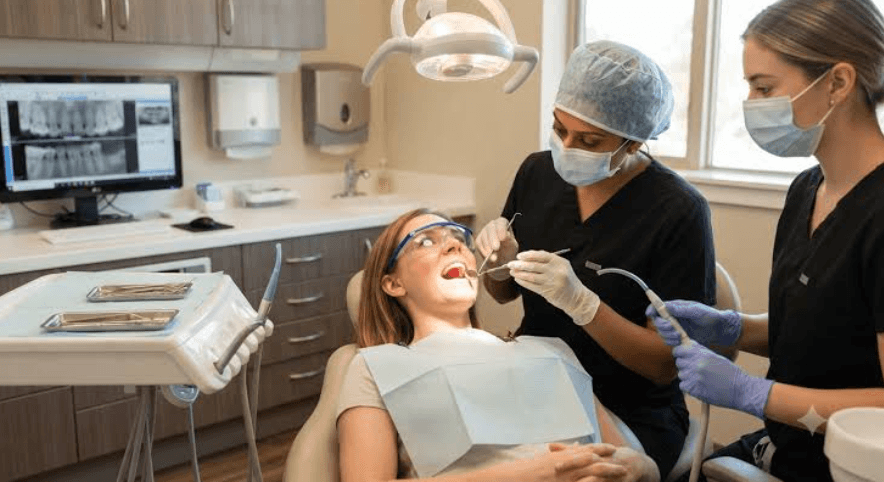
Because of this, a cleaning is doing more than “freshening up” your mouth. It removes buildup that home care misses, gives your dentist a chance to spot cavities early, and helps catch signs of gum disease before they become harder to treat. That matters, especially when you consider how easy it is to ignore bleeding gums or slight sensitivity until they turn into something bigger.
So, where does that leave you if you have skipped a few visits? It means you are not alone, and it also means now is a good time to reset. A simple appointment can reveal whether your mouth is healthy or whether there is a quiet issue that needs attention.
What can happen when preventive dental care gets delayed?
The trouble with delay is that dental problems tend to become more expensive and more uncomfortable with time. A little plaque can turn into inflammation. Inflammation can lead to gum disease. Gum disease can cause gum recession, loose teeth, and even tooth loss if it goes untreated. The National Institute of Dental and Craniofacial Research explains gum disease in clear terms, and one of the biggest takeaways is that early care makes a real difference.
Think of it this way. If you skip cleanings for a year or two, you may not notice much at first. Then one day your gums bleed when you brush, your breath never feels fresh, or a small cavity suddenly needs a filling. In a more advanced case, what could have been managed with a cleaning and better home care may now require deep cleaning, restorative work, or cosmetic treatment to repair the damage.
That is why preventive dental cleanings are such a steady part of general dentistry. They lower the chance that you will need more involved care later, and they support the cosmetic and restorative side of dentistry too. Clean teeth and healthy gums create a stronger base for whitening, veneers, crowns, or fillings.
How do home care and professional cleanings compare?
Brushing and flossing at home are essential. They are your first line of defense. But they are not the whole picture. Even people with strong habits miss spots, and tartar simply cannot be brushed away once it hardens. The CDC also offers oral health tips for adults that reinforce the value of daily care paired with regular dental visits.
| Home Care | Professional Cleaning | Why It Matters |
| Removes soft plaque from most tooth surfaces | Removes plaque and hardened tartar above and below the gumline | Tartar buildup can lead to gum irritation and decay |
| Helps freshen breath day to day | Addresses buildup that often causes ongoing bad breath | Persistent odor may be a sign of deeper issues |
| Supports gum health between visits | Allows early screening for cavities, gum disease, and wear | Early detection often means simpler treatment |
| Low cost and done daily | Periodic cost, usually every six months for many patients | Routine care often helps avoid higher future costs |
For many people, that last point is the one that lands. A standard cleaning can feel optional until you compare it with the cost and stress of fillings, crowns, or periodontal treatment. General dentistry works best when it stays ahead of trouble instead of chasing it.
See also: 5 Reasons Businesses Switch To Professional Accounting Firms
What steps can you take right now to protect your oral health?
1. Get honest about your current routine.
If your brushing is rushed or flossing rarely happens, do not judge yourself. Just notice it. Small changes count. Brushing for two full minutes, flossing once a day, and using a fluoride toothpaste can improve your baseline quickly.
2. Schedule cleanings before there is a problem.
It is much easier to keep a healthy mouth healthy than to rebuild it after damage sets in. If it has been a while, booking a visit now gives you a clearer picture and often more options. This is one reason dental cleanings and exams remain a core part of dental care.
3. Pay attention to early warning signs.
Bleeding gums, sensitivity, chronic bad breath, and soreness are worth taking seriously. They do not always mean something severe, but they do mean your mouth is asking for attention. Responding early can spare you pain and protect your smile.
Could a simple cleaning really change the bigger picture?
In many cases, yes. A routine cleaning can stop a small issue from becoming a major one, support the success of general, cosmetic, and restorative dentistry, and help you feel more confident about your health overall. If you have been putting it off, that does not mean you have failed. It just means now is a good time to begin again.
Your mouth changes over time, and your care should keep pace with it. Regular cleanings are one of the most reliable ways to do that. When you make room for them, you are not just checking a box. You are protecting comfort, function, and the smile you rely on every day.